Beyond Helplines: Addressing Social Roots of Suicide in India
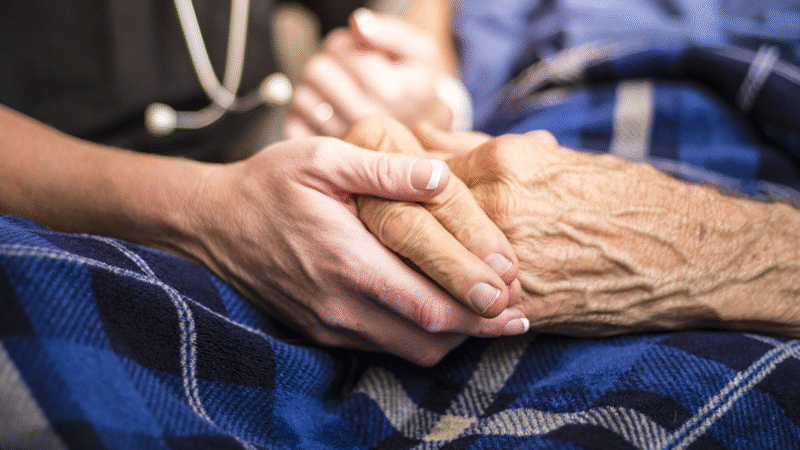
Suicide is often viewed only as a mental health issue, but experts emphasize that it is deeply connected to broader social factors such as poverty, discrimination, gender inequality, and isolation. Effective prevention, therefore, requires solutions that go beyond clinical treatment and also address these underlying social challenges.
A recent case from Hyderabad highlights this complexity. A 25-year-old woman, an MBBS graduate preparing for the United States Medical Licensing Examination (USMLE), had been battling depression, frequent crying spells, and suicidal thoughts for more than two years. Personal setbacks and a strained relationship with her mother further intensified her struggle.
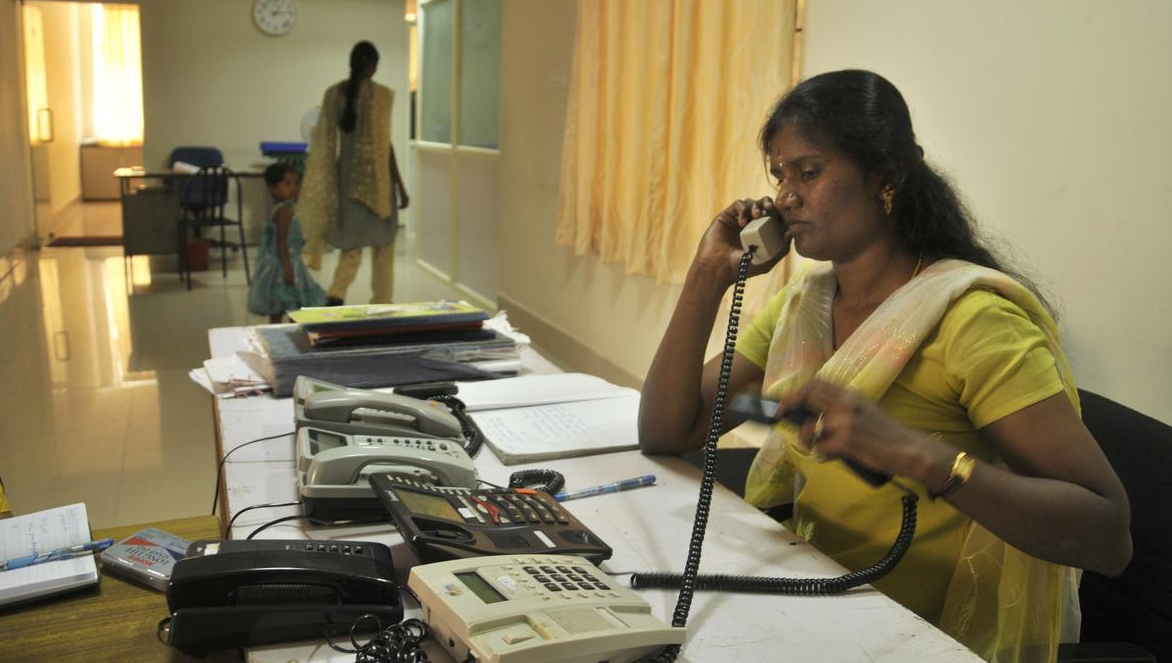
Although she had tried medication and online therapy, she eventually discontinued both due to limited improvement. In a critical moment, she turned to Tele-MANAS, the government’s 24/7 mental health helpline. Speaking with a psychiatrist over the phone allowed her to express her feelings openly. The counsellor suggested practical coping strategies such as journaling, regular exercise, meditation, and better sleep hygiene. She was also encouraged to rebuild communication with her father and gradually mend her bond with her mother.
While helplines like Tele-MANAS provide crucial immediate support, mental health professionals stress that true suicide prevention must also focus on long-term changes—reducing social inequalities, creating supportive communities, and promoting open conversations around mental health.