Living Alone in India: The Hidden Impact of Loneliness
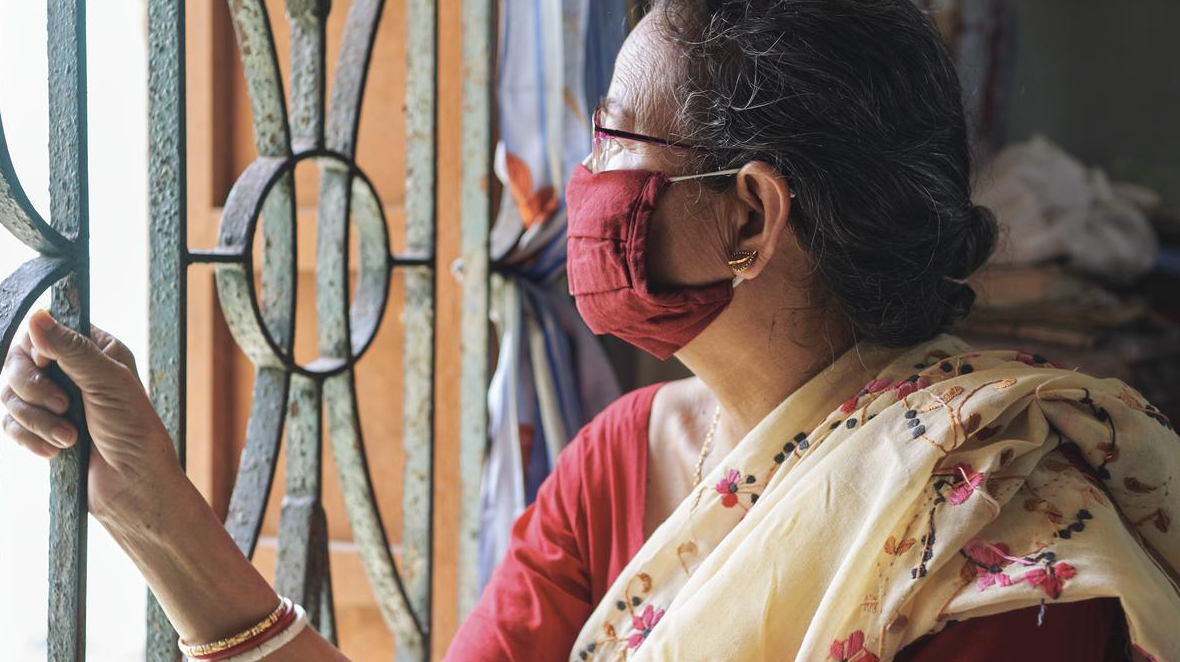
Living Alone: How Loneliness Affects the Mind and Body
In India, families have traditionally lived together under one roof, with parents, children, and even grandparents sharing the same home. But today, this is changing. More and more senior citizens are living alone, either as couples or by themselves, and this has created new challenges.
Impact on Mental Health
Living alone for long periods can make seniors feel lonely, anxious, or even depressed. Without regular social interaction, many also feel left out or less confident. Experts warn that loneliness may also increase the risk of memory problems and dementia.
Impact on Physical Health
Loneliness is not just an emotional problem — it can affect the body too. Seniors who are isolated may face poor sleep, weaker immunity, and a higher chance of heart disease. Without family support, even simple things like cooking healthy meals or staying active can become difficult.
Why Women Are More Affected
In India, many older women are at greater risk of loneliness. Social and financial barriers make it harder for them to be independent or join community activities. This adds to their sense of isolation.
A Social Challenge for India
With India’s senior population growing quickly, loneliness has become a serious concern. Experts say families, communities, and the government need to step in. Local clubs, community groups, and mental health support can give seniors much-needed connections. Technology — like video calls — can also help, though many seniors need help learning to use it.
The Way Forward
Loneliness is not just about feeling sad — it has real effects on health. Supporting seniors with care, companionship, and opportunities to stay active and connected is key as India adjusts to these social changes.