
Madras HC Appoints SIT to Probe Kidney Trafficking in Tamil Nadu
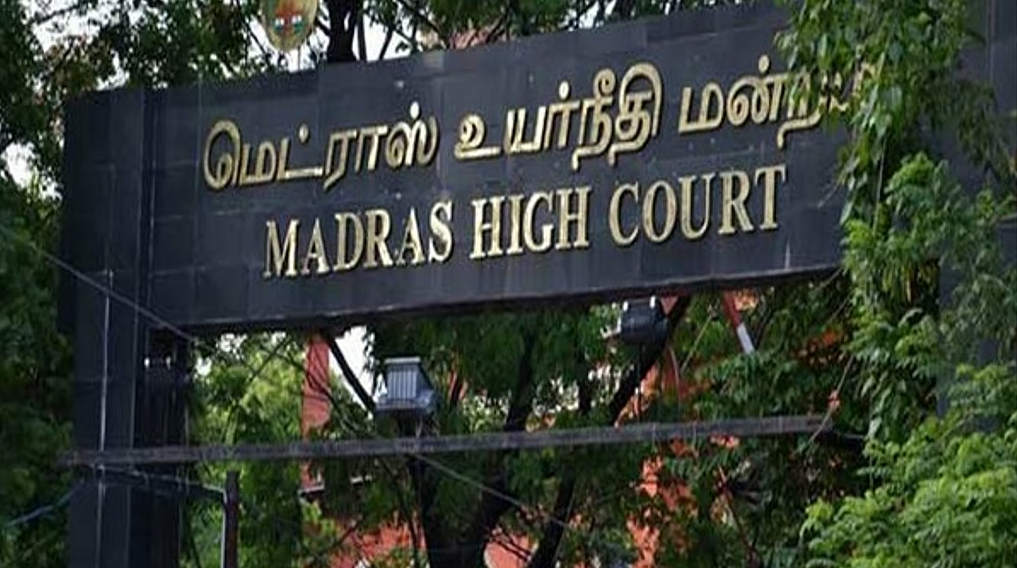
Madras HC Forms SIT to Investigate Kidney Trafficking Racket in Tamil Nadu
The Madurai Bench of the Madras High Court has constituted a Special Investigation Team (SIT) to probe the recent kidney trafficking racket in Tamil Nadu. The bench, comprising Justices S M Subramaniam and G Arul Murugan, strongly criticised the state government for failing to act with adequate sensitivity in an issue concerning citizens’ lives.
Despite repeated directions from the court to register an FIR, the state had hesitated, citing a statutory bar under Section 22 of the Transplantation of Human Organs and Tissues Act, 1994. The judges, however, noted that the allegations also involve document fabrication, exploitation of economically weaker sections, and the role of private hospitals, doctors, and brokers, which attract offences under both the Transplantation Act and the Bharatiya Nyaya Sanhita (BNS) 2023.
SIT Composition and Mandate
The SIT will be led by Inspector General of Police (South Zone) Prem Anand Sinha, with four Superintendents of Police — N S Nisha (Nilgiris), N Silambarasan (Tirunelveli), Dr K Karthikeyan (Coimbatore), and B K Arvind (Madurai). The team has been directed to register an FIR based on the complaint lodged by the Namakkal Chief Medical Officer and the findings of the state-appointed committee.
The bench further instructed the Director General of Police (DGP) and the Director of Medical and Rural Health Services to provide the SIT with necessary workforce and technical assistance. The High Court will monitor the progress of the investigation and has directed the SIT to file a status report within a month. The matter has been adjourned to September 24.
Scrutiny on Private Hospitals
Meanwhile, the Madras High Court’s principal seat in Chennai also sought a copy of the Government Order (GO) canceling the license of the kidney transplantation unit at Dhanalakshmi Srinivasan Medical College and Hospital. The hospital had approached the court challenging the Health Department’s August 8, 2025 press release, which announced the permanent cancellation of its renal transplantation unit following allegations of illegal transplants.
Justice N Anand Venkatesh adjourned the hearing to August 28, 2025, directing state health authorities to submit the GO for scrutiny.
Wider Implications
The court’s stern stance reflects the seriousness of human organ trafficking in Tamil Nadu, particularly the exploitation of vulnerable people by organized networks. By forming a high-level SIT and retaining judicial monitoring, the judiciary has signaled that accountability and strict action will follow in cases where both state inaction and private malpractice are evident.